# Restaurant Checklists: How to Prevent Operational Mistakes Before They Happen
In restaurants, mistakes don't always happen because employees don't know what to do. Sometimes a step is forgotten, responsibility isn't clear, or nobody verifies that the task was completed.
A refrigerator temperature isn't recorded. A preparation area isn't inspected. A product's expiry isn't checked. A closing procedure is missed.
Each issue may seem small on its own, but when these gaps happen every day across multiple locations, they can become real operational problems.
This is where restaurant checklists become valuable.
The goal isn't to create more paperwork. It's to turn important procedures into clear actions that teams can execute, measure, and review.
What Is a Restaurant Checklist?
A restaurant checklist is a structured set of actions that employees need to complete and verify at a specific point during operations.
Checklists can be used for:
- Opening and closing procedures.
- Cleaning and sanitation.
- Equipment inspections.
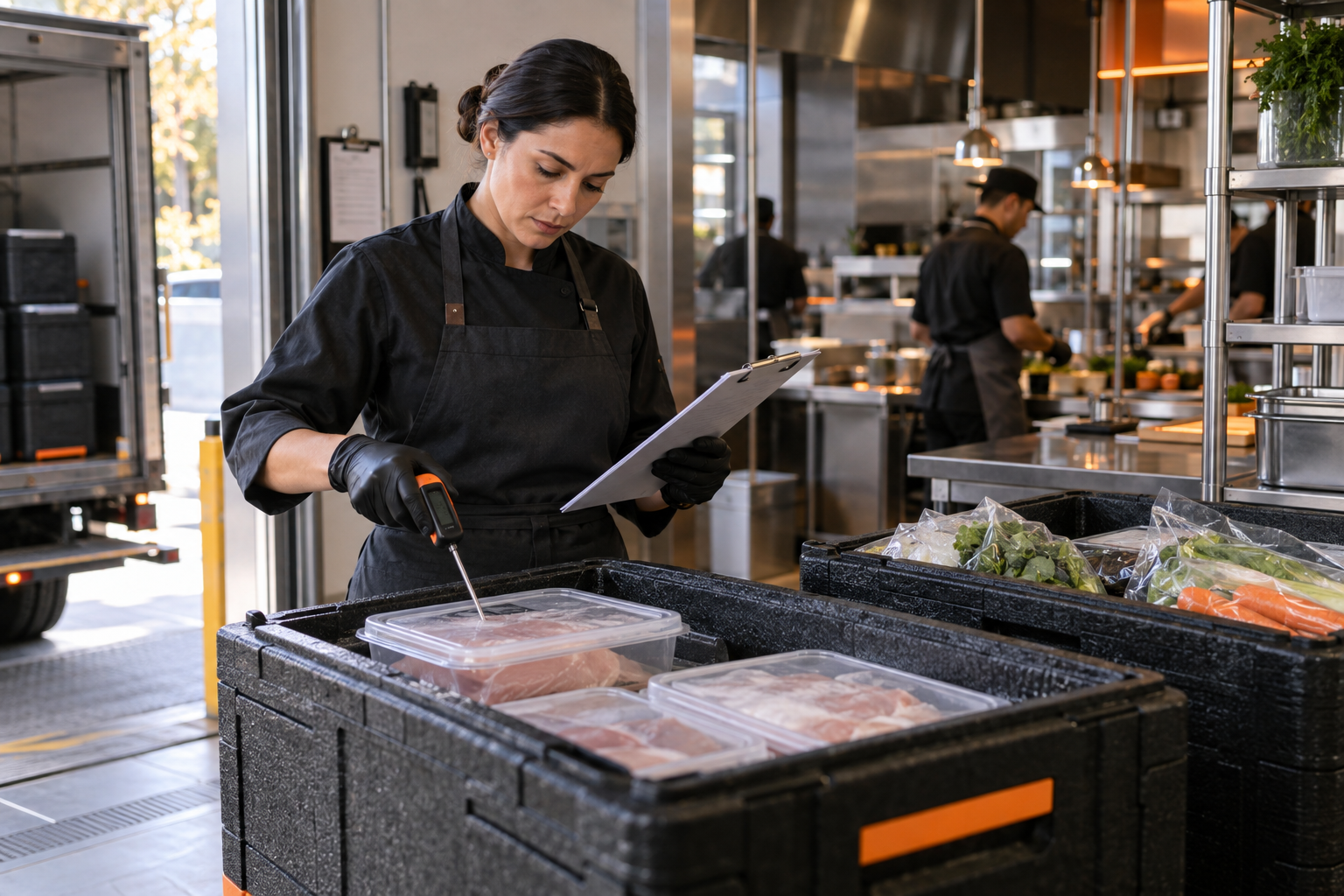
- Refrigerator and freezer temperature checks.
- Receiving and storage.
- Food preparation.
- Quality checks.
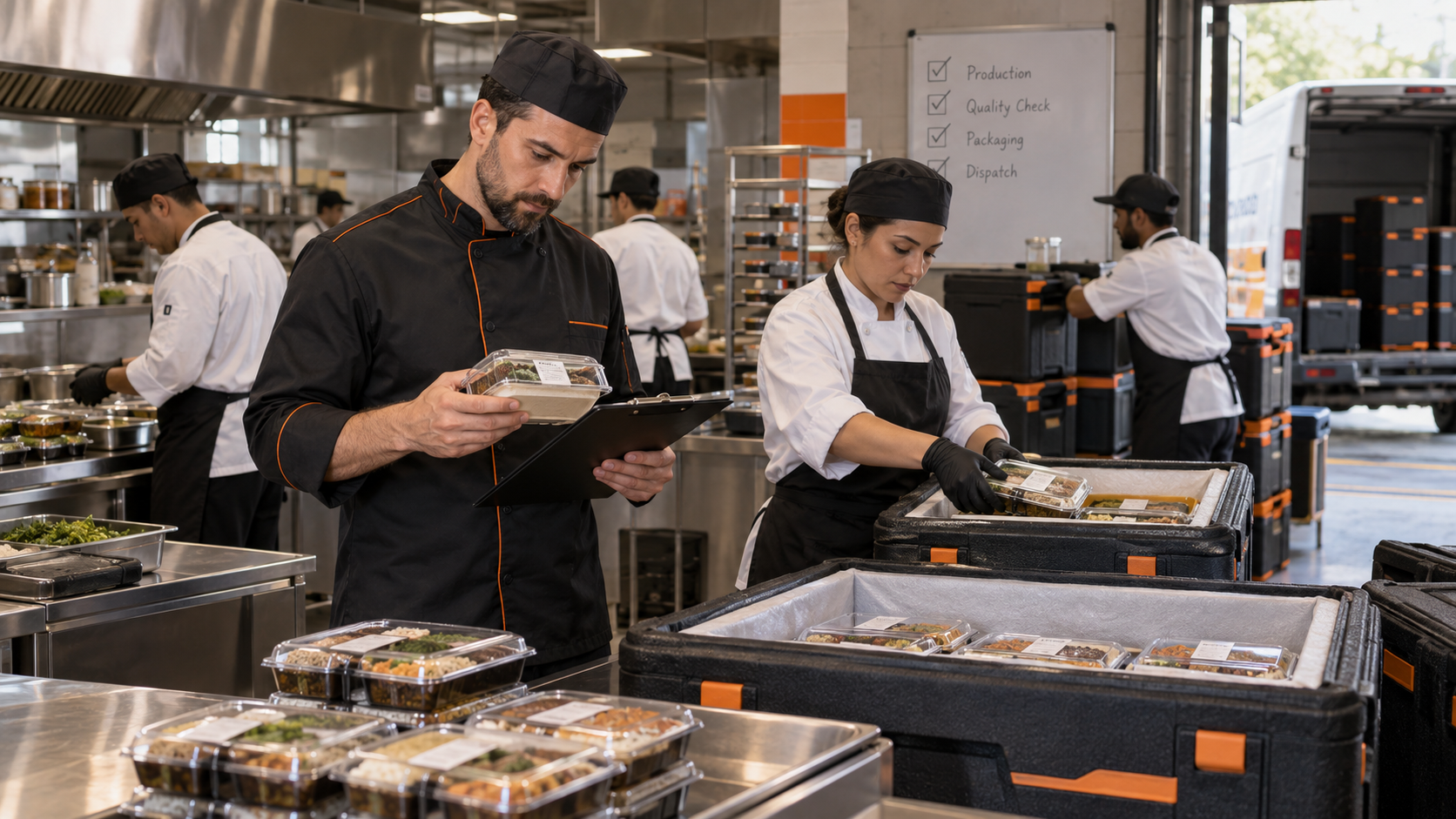
- Central kitchen operations.
- Transfers between locations.
The basic idea is simple:
Instead of relying on employee memory, make critical procedures a clear part of the workflow.
Make Every Check Clear and Measurable
An instruction like "Make sure the kitchen is clean" leaves too much room for interpretation.
It's better to break it down into specific checks:
- Preparation surfaces are clean and sanitized.
- Floors are free from waste.
- Preparation tools are clean and stored correctly.
- Waste containers are properly closed.
The more specific the requirement, the easier it becomes to execute and verify.
Define Responsibility and Timing
Having a task isn't enough.
It should be clear: Who is responsible for it, and when should it be completed?
For example, an employee may be responsible for recording refrigerator temperatures at the beginning of a shift, while a supervisor is responsible for reviewing the readings.
Clear ownership reduces the chance of important tasks being missed because everyone assumes someone else is responsible.
Don't Rely Only on a Checkmark ✓
Some tasks can be confirmed with a simple checkmark. Others require an actual measurable result.
Instead of:
Refrigerator checked ✓
Record:
Refrigerator temperature: 3°C
The difference is that the recorded value can be reviewed and analyzed later, while a checkmark only confirms that someone marked the task as completed.
What Happens When a Check Fails?
A checklist shouldn't end when someone selects "Not Compliant."
If a refrigerator temperature is outside the acceptable range, the issue and the action taken should be recorded according to the restaurant's approved food-safety procedures.
The goal isn't simply to know that something went wrong. You should be able to answer three questions:
- What happened?
- What action did the team take?
- Has this happened before?
This is where a checklist becomes more than a daily record. It becomes a tool for operational improvement.
Use Different Checklists for Different Stages of Operations
Instead of creating one enormous checklist for everything, divide checklists according to the restaurant's workflow.
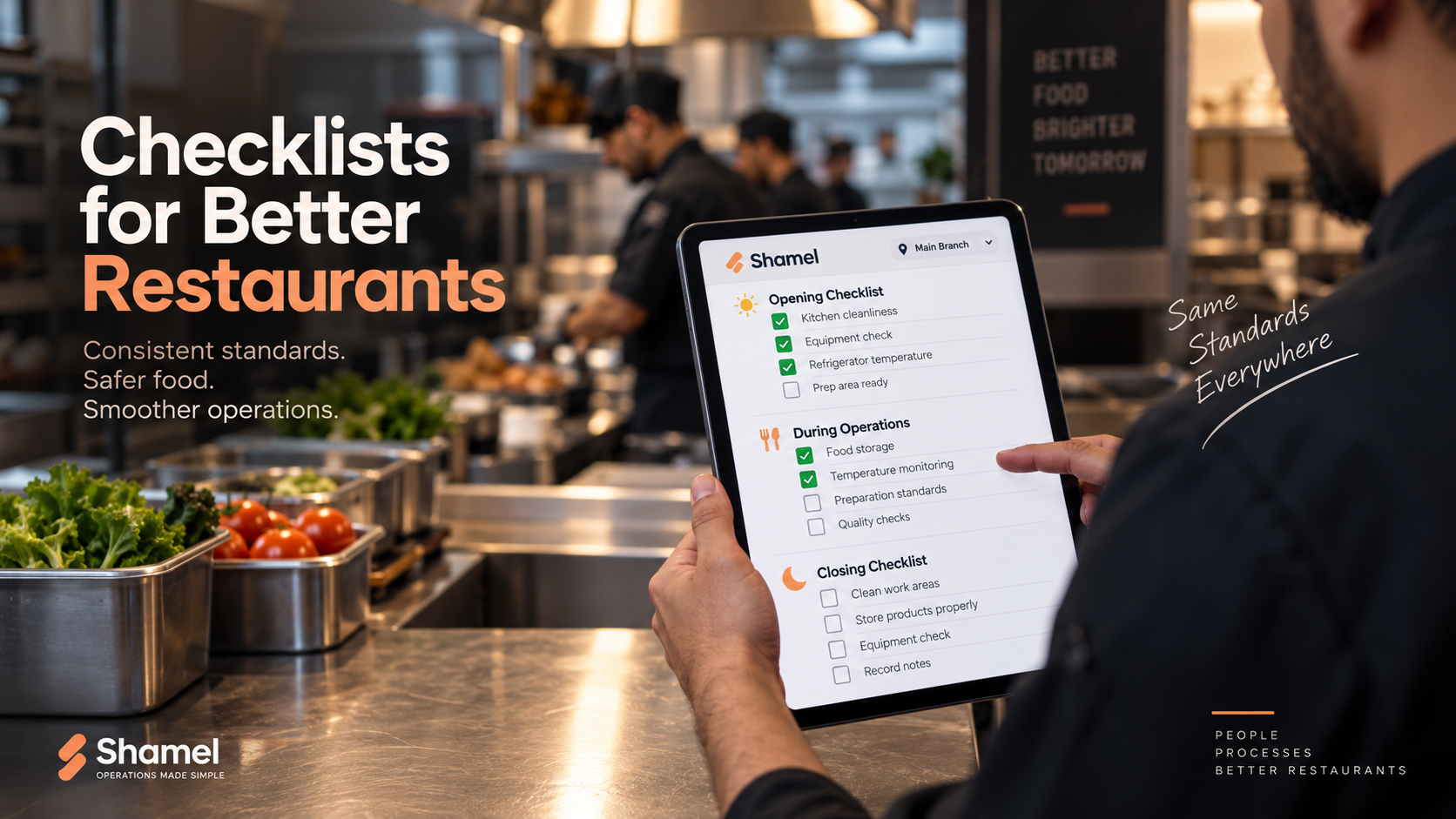
Opening Checklist
This might include:
- Cleanliness checks.
- Equipment inspections.
- Temperature recording.
- Preparation area readiness.
During Operations
Teams can monitor:
- Storage conditions.
- Temperatures.
- Preparation standards.
- Production processes.
Closing Checklist
This might include:
- Cleaning work areas.
- Storing products correctly.
- Checking equipment.
- Recording operational notes.
This makes each checklist easier to follow because it reflects how the restaurant actually operates.
Why Do Checklists Become More Important Across Multiple Locations?
In a single restaurant, a manager may be able to personally monitor many operational details.
But when you operate 5, 10, or 20 locations, management can't be everywhere at the same time.
Structured checklists help apply the same standards across every location.
Instead of each branch developing its own way of working, management gets a consistent operational framework that can be measured and compared.
Don't Just Track Incidents — Look for Patterns
One missed task may be an isolated incident.
But when the same requirement repeatedly fails at the same location, that's a signal worth investigating.
The cause could be:
- Insufficient training.
- Equipment problems.
- Unclear procedures.
- Operational pressure.
- Staffing issues.
- Or a process that needs to be redesigned.
The real value isn't in storing hundreds of completed checklists. It's in identifying the patterns inside them.
How Do You Build an Effective Restaurant Checklist?
For every requirement, ask:
- What needs to happen?
- Who is responsible?
- When should it happen?
- How do we verify it was completed correctly?
- What happens if it isn't completed?
When these questions have clear answers, a checklist becomes more than a task list.
It becomes a measurable operational process.
From Checklists to an Operating System
The purpose of restaurant checklists isn't to make employees enter more data.
The goal is to reduce dependence on memory, standardize execution, and make operational problems visible.
When checklists connect with temperature monitoring, expiry tracking, production, quality issues, and reporting, they become part of a much larger operational picture.
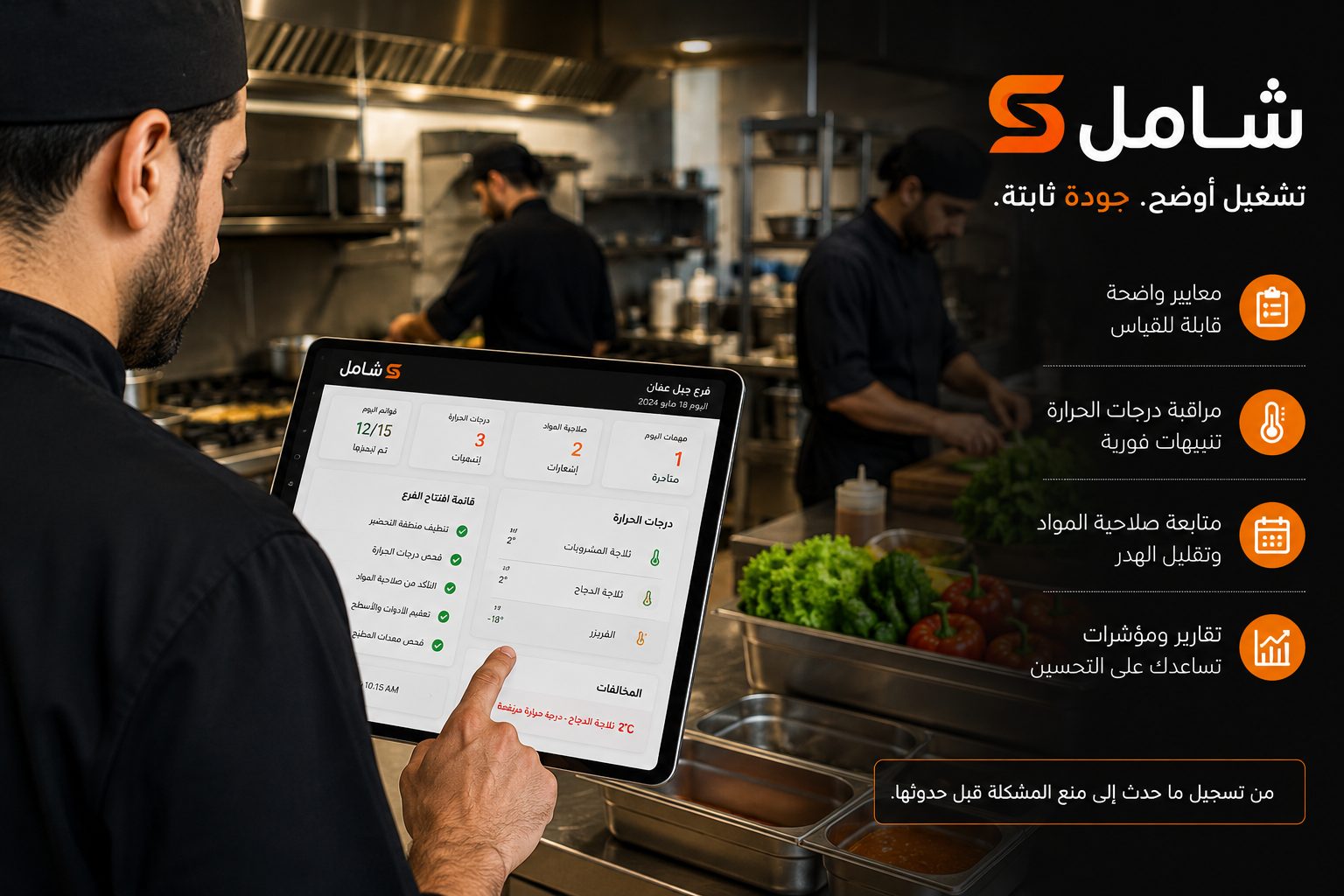
That's the approach behind Shamel: bringing daily restaurant operations together in one place so teams can execute standards, identify problems, and turn everyday operational data into better decisions.